: A frequent source for older beta builds used in VirtualBox and QEMU setups. Using Windows Longhorn (Unreleased Windows Version) in 2021
By 2004, the codebase was a buggy, unstable mess. Microsoft was forced to perform a , scrapping the Longhorn code and starting over using Windows Server 2003 as a base. This new project eventually became Windows Vista . Bringing Longhorn Back via QCOW2
qemu-img convert -f vmdk original_longhorn.vmdk -O qcow2 converted_longhorn.qcow2
Standard QEMU copy-on-write (QCOW2) images require precise hardware emulation parameters to run this notoriously unstable operating system. This guide covers how to properly configure your hypervisor, format your QCOW2 virtual disks, and successfully boot Windows Longhorn. 1. The Core Challenge with Longhorn in KVM/QEMU
Imagine stepping into a time machine and booting up a version of Windows that never was. "Windows Longhorn" is the legendary codename for what eventually shipped as Windows Vista in 2007, but the development builds leaked between 2002 and 2005 tell a completely different story—a story of "Plex" aesthetics, a revolutionary "Sidebar," and a desktop composition engine that was far ahead of its time. If you are a retro-computing enthusiast, developer, or collector, the best way to safely handle these volatile alpha builds is through virtualization, specifically using the (QEMU Copy-On-Write) format. This guide will walk you through everything you need to know about Windows Longhorn QCOW2 work, from creating your first virtual disk to tweaking driver settings for that coveted Aero Glass effect.
Windows Longhorn, Microsoft’s infamous pre-release operating system that eventually became Windows Vista, remains a fascinating piece of software history for retro-computing enthusiasts, developers, and sysadmins. If you are trying to emulate a leaked Longhorn build (such as Build 4074 or Build 3683) inside QEMU, KVM, or Proxmox, you have likely encountered a wall of blue screens (BSODs), boot loops, and driver failures.
: Longhorn builds (like 4074) generally expect IDE/PATA interfaces rather than modern VirtIO or SATA. Ensure your VM configuration uses:
You must know the compilation date of the specific Longhorn build you are installing so you can set the QEMU clock correctly. For example, Build 4074 was compiled in April 2004. Step 1: Creating the QCOW2 Virtual Disk
.png)

 eRTK10 mini
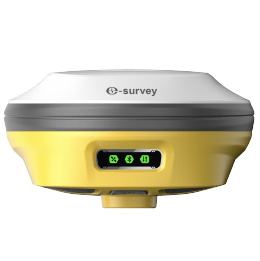
 eRTK20
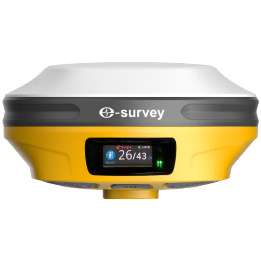
 eRTK25
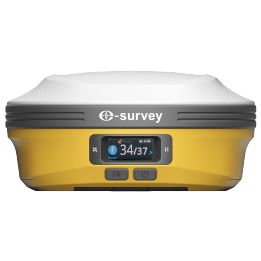
 eRTK30
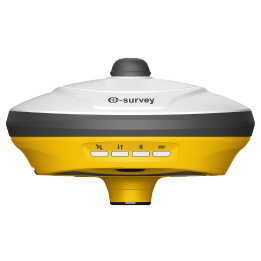
 eRTK60
 eBase 20
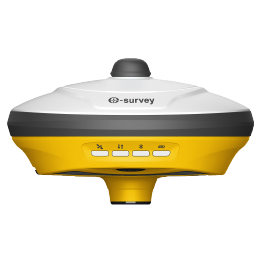 E200
E200 E300 Pro
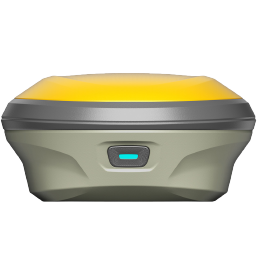 E500
E500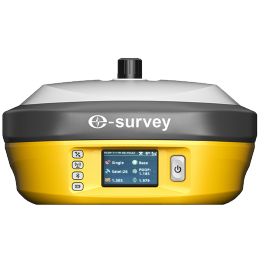 E800
E800 E600
E600 eDMR1
eDMR1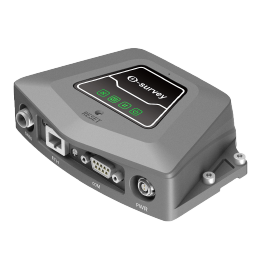 NET10
NET10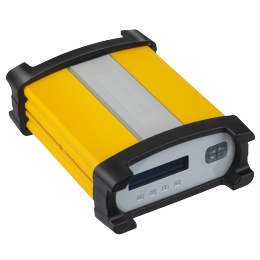 NET20 PLUS
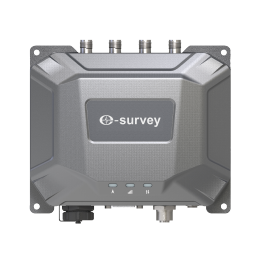 eHP10
eHP10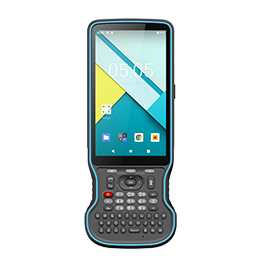 P8III
P8III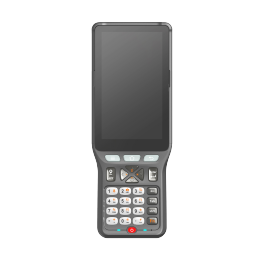 P9IV
P9IV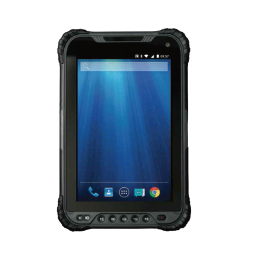 UT32
UT32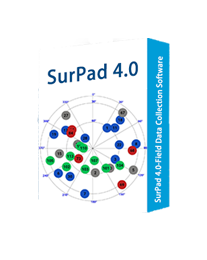 Surpad4.2
 GEOSolution
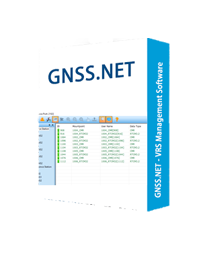 GNSS.NET
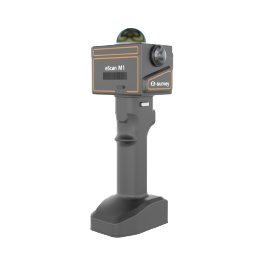 eScan M1
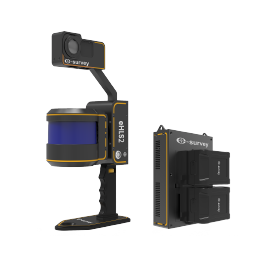 eHLS2
eHLS2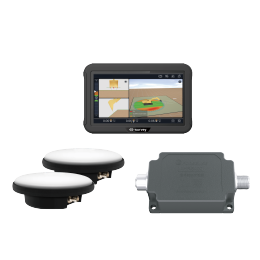 eME10
eME10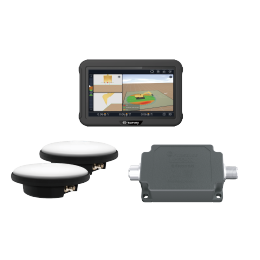 eME30
eME30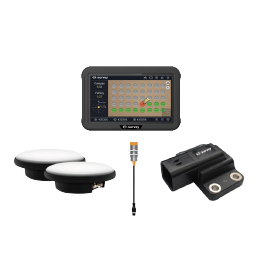 eMP10
eMP10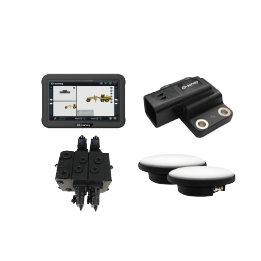 eMG30
eMG30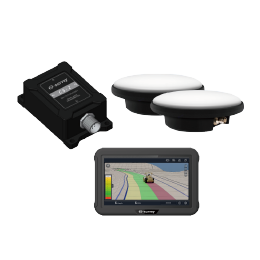 eMR10
eMR10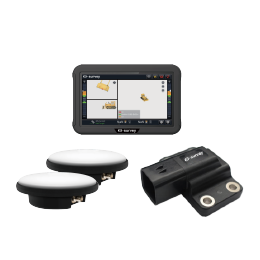 eMB10
eMB10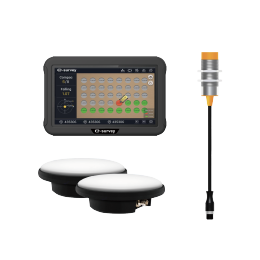 eMC10
eMC10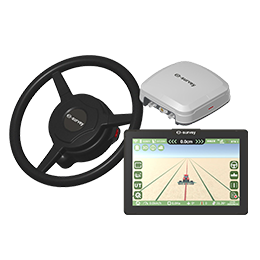 EAS502
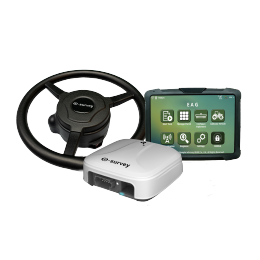 Bestar 301
 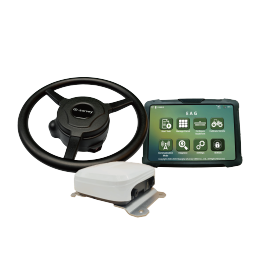 EAS301 Pro Motor
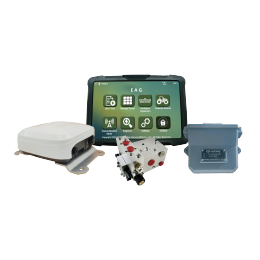 EAS301 Pro Hydraulic
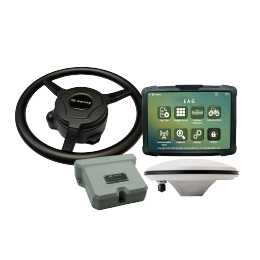 EAS100
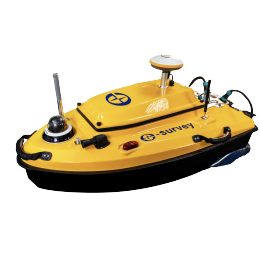 VE115
VE115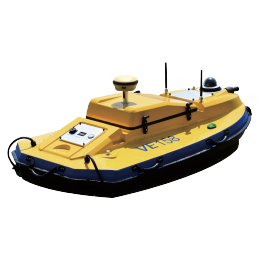 VE158
VE158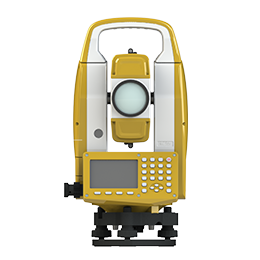 eTS32
eTS32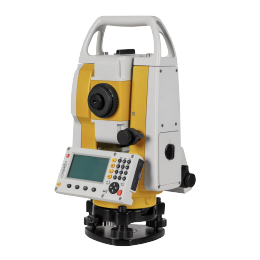 E3
E3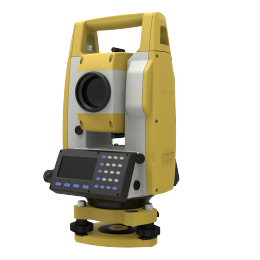 eTS2
eTS2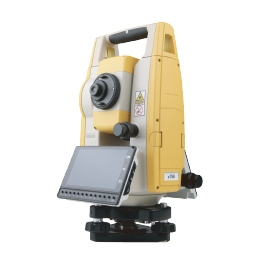 eTS8
eTS8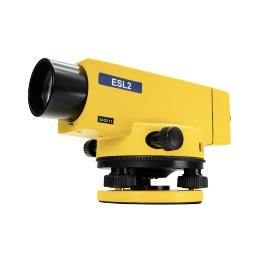 ESL2
ESL2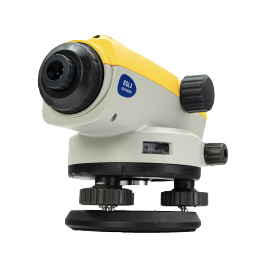 ESL3
ESL3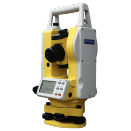 ET2A
ET2A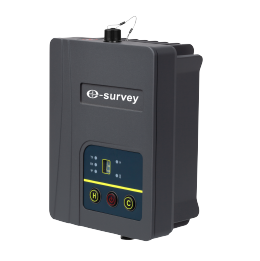 TRU35
TRU35 UA91
UA91 UA92
UA92 UA35
UA35