
 Home
Home Account Login / Sign-Up
Apps: 1817
Dl's: 3443722
Dl's: 3443722
Sell your commercial Apps now!
 BloodGDXrelease
 Back
Back Package Contents (1) (hide/show)
view this episode as a satisfying, if tragic, end to a show that redefined horror on Indian television. The "Stretched" Critique IMDb reviewers
Within hours of its airing, trended at #1 on Twitter (X) in Pakistan and India. Fans created meme templates of Rashid’s confession face and Hamza’s crying scene.
The emotional core of belongs to Sania Saeed. When Mehrunnisa learns that her second husband, Rashid, orchestrated the destruction of her first love, she does not scream. She simply walks to her room, retrieves an old photograph of Sikandar from 1987, and places it next to Rashid’s current portrait. achanak 37 saal baad episode 197
Production and stylistic notes:
marks the grand finale of Sony TV's legendary supernatural thriller Achanak 37 Saal Baad , delivering the ultimate cosmic battle between good and evil. Titled "Ajinkya Se Ladne Ki Shakti," this definitive chapter resolves the 37-year curse tormenting the small, fictional town of Gahota. Produced by Fireworks Productions—the masterminds behind CID —the show combined psychological horror, reincarnation, and dark fantasy. This integration cemented its legacy as a masterpiece of 2000s Indian television. view this episode as a satisfying, if tragic,
For those who missed episode 197, there are several ways to catch up on the action. Fans can stream the episode online on popular platforms or purchase a DVD/ digital copy. Social media channels and fan forums are also great resources for staying up-to-date with the latest developments and discussing the show with fellow enthusiasts.
Modern Indian television is largely dominated by domestic dramas. Achanak 37 Saal Baad represents an era where networks took massive creative risks on pure, unadulterated psychological horror, making episodes like 197 a masterclass in building suspense. Legacy of the Series The emotional core of belongs to Sania Saeed
When Sikandar finally has Rashid at gunpoint, the drama takes a philosophical turn. Should he kill the man who stole his life? Hamza intervenes, not to save Rashid, but to save his father’s soul. “Uski saza uski zindagi hai,” Hamza says. (His punishment is his life.) The episode suggests that living with guilt is a worse prison than any cell.
 Preview Pics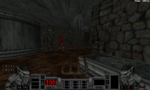
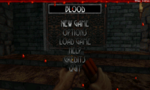
 Comments
 Download