A deeper dive into or scene analyses Share public link
Contemporary culture continues to find new and intimate ways to explore this relationship.
In Alice Walker’s The Color Purple (novel and film), Celie’s sacrificial love for her son (and all the children taken from her) is a quiet, relentless force that redefines the meaning of motherhood against a backdrop of brutality.
Sean Baker’s masterpiece offers a radically different, naturalistic take. Halley (Bria Vinaite) is a young, profane, chaotic mother living in a budget motel near Disney World. Her son, Moonee (Brooklynn Prince), is six years old. There is no Oedipal tension here, only a raw, desperate love. Halley is often an irresponsible parent—engaging in sex work and petty fraud—but the film insists on her humanity. The mother-son bond is depicted as a fragile, joyful alliance against an indifferent world. When the system finally tears them apart in the devastating final scene, the audience feels not the tragedy of a failed mother, but the tragedy of poverty itself.
Analyze the dynamic through (such as Asian, European, or American cinema)
A particular (e.g., Asian cinema vs. Western literature)
On the lighter side, cinema frequently plays the overprotective mother for laughs. Films like The Waterboy (1998) present a cartoonish version of the hyper-protective mother whose fears keep her son socially stunted. While comedic, these films still scratch the surface of a universal truth: the hilarity and frustration of a grown man trying to break free from maternal micro-management. 4. Key Themes Across Mediums
To help refine this text or explore specific angles further, let me know if you would like to:
In literature and film, this manifests in two primary archetypes:
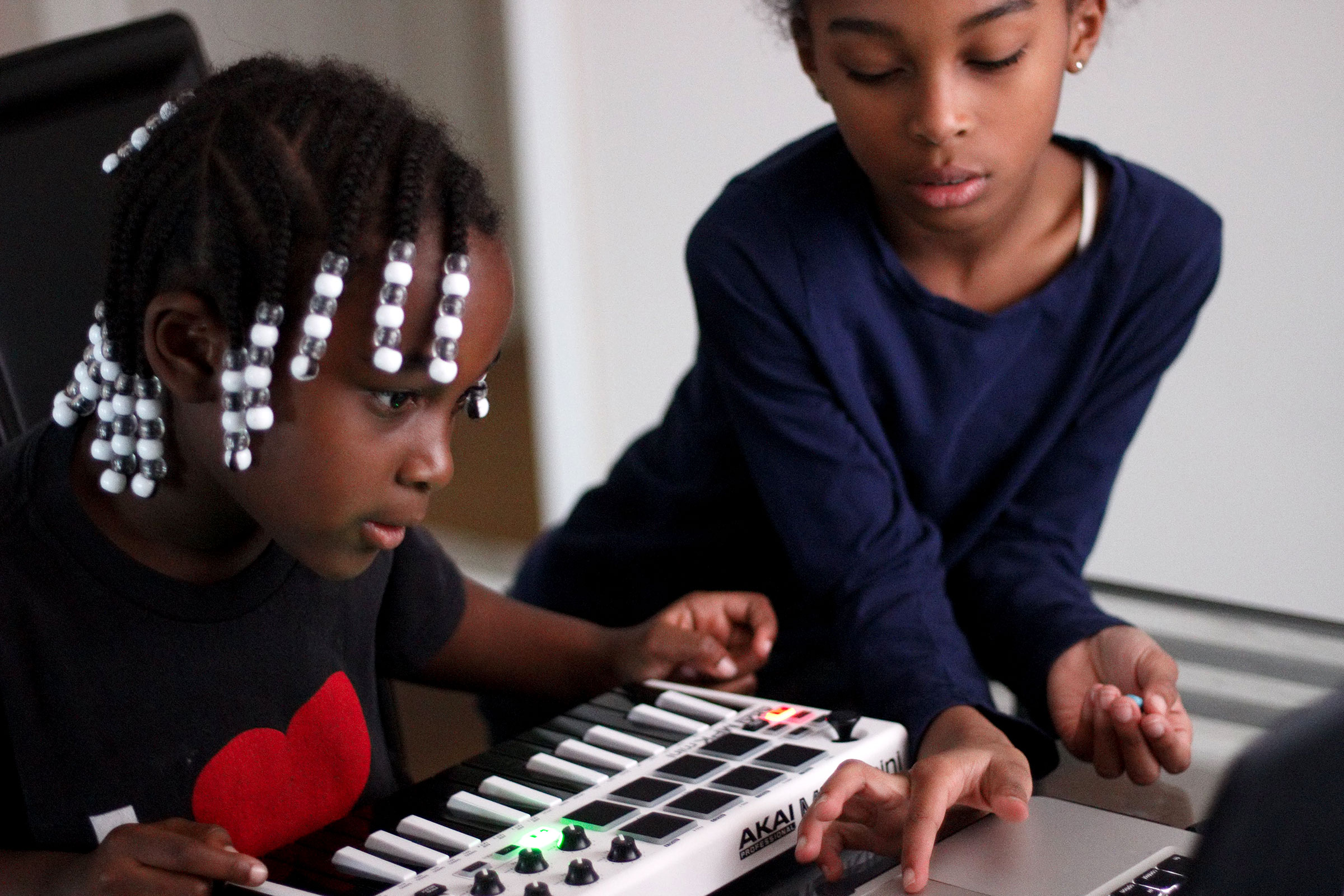
Kids learn best when they’re engaged. Melodics™ makes it easy.
We understand how hard it is to make practice a habit.
Practice goals, streaks, rewards & challenges – Melodics is practice your kids will actually want to do.
A deeper dive into or scene analyses Share public link
Contemporary culture continues to find new and intimate ways to explore this relationship.
In Alice Walker’s The Color Purple (novel and film), Celie’s sacrificial love for her son (and all the children taken from her) is a quiet, relentless force that redefines the meaning of motherhood against a backdrop of brutality. real indian mom son mms top
Sean Baker’s masterpiece offers a radically different, naturalistic take. Halley (Bria Vinaite) is a young, profane, chaotic mother living in a budget motel near Disney World. Her son, Moonee (Brooklynn Prince), is six years old. There is no Oedipal tension here, only a raw, desperate love. Halley is often an irresponsible parent—engaging in sex work and petty fraud—but the film insists on her humanity. The mother-son bond is depicted as a fragile, joyful alliance against an indifferent world. When the system finally tears them apart in the devastating final scene, the audience feels not the tragedy of a failed mother, but the tragedy of poverty itself.
Analyze the dynamic through (such as Asian, European, or American cinema) A deeper dive into or scene analyses Share
A particular (e.g., Asian cinema vs. Western literature)
On the lighter side, cinema frequently plays the overprotective mother for laughs. Films like The Waterboy (1998) present a cartoonish version of the hyper-protective mother whose fears keep her son socially stunted. While comedic, these films still scratch the surface of a universal truth: the hilarity and frustration of a grown man trying to break free from maternal micro-management. 4. Key Themes Across Mediums Halley (Bria Vinaite) is a young, profane, chaotic
To help refine this text or explore specific angles further, let me know if you would like to:
In literature and film, this manifests in two primary archetypes:
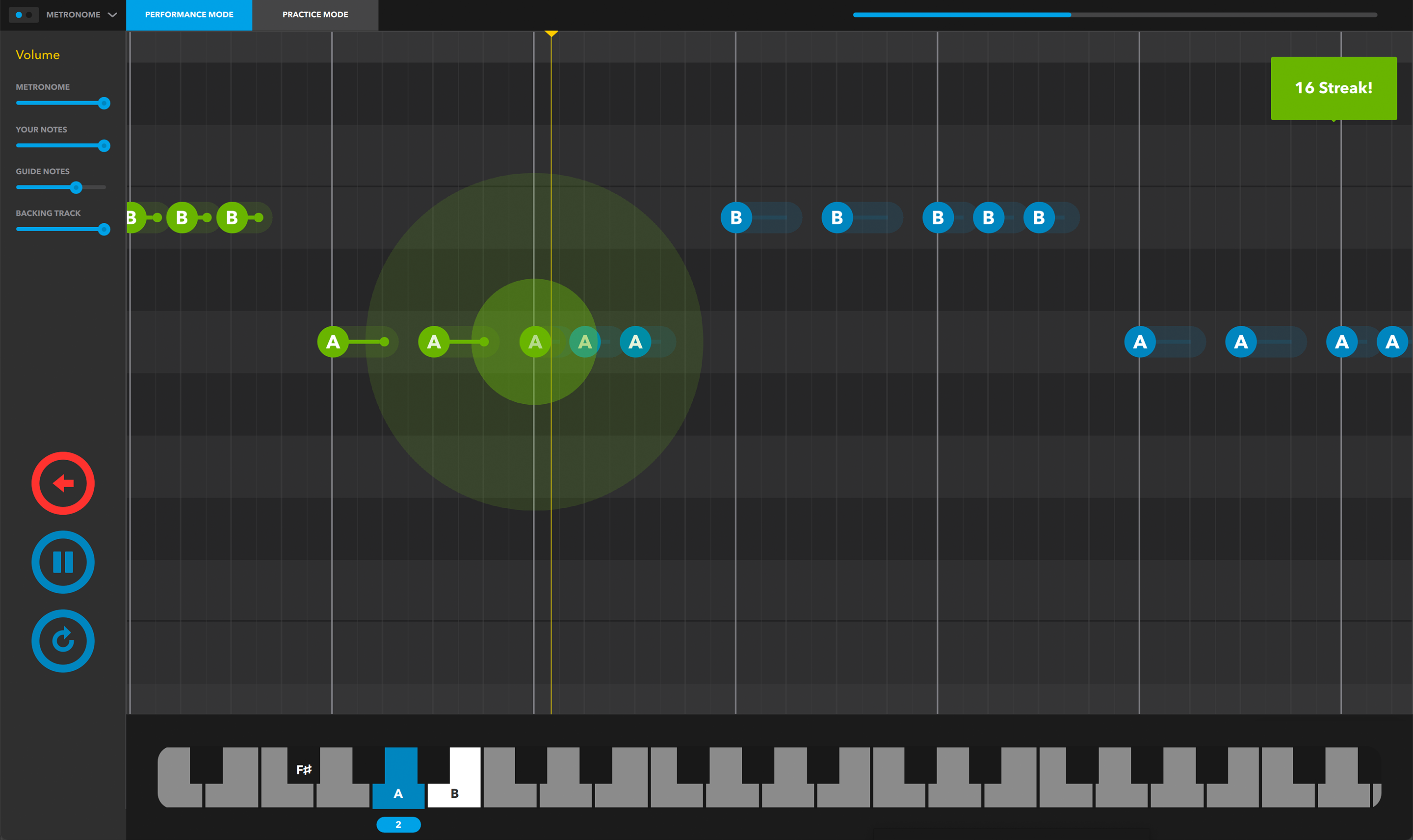
Melodics is the best way to learn to play your music.
Music lessons are traditionally boring, expensive and time consuming.
Learning music with Melodics is relevant, addictive, rewarding, and most of all FUN.
Just 5 minutes a day is all your kids need to start making progress.
Melodics can help students develop an active and confident relationship with music. – Rodi Kirk, Melodics head of education
Melodics works on iPhone, iPad, Mac & Windows PC.
Yes. The majority of music in Melodics is instrumental, and of the small amount that include lyrics there is no profanity or inappropriate themes.
No, all instruments are playable using your computer keyboard (with some restrictions), but your kids will get a lot more out of Melodics if you do have access to hardware. Melodics supports learning with MIDI keyboards, MIDI pad controllers, and electronic drums.
No. Meldoics connects to the internet to save progress & download new lesson content, but there is no interaction between users.
An email address is required to setup a Melodics account – we suggest you set up the account using yours. There is messaging within the app, and that is rule-based, vetted, and designed to encourage & support the users learning. There is no live chat in Melodics.
It’s both! We have an accomplished in-house music team with education backgrounds authoring our content, as well as collaborating with artists & educators from around the world. Melodics often feels like a game, because the best way to improve your musical skills is to practice, and the best way to stick with practice is to make it fun!
We have an extensive list of FAQs available on our support page, or feel free to get in touch with us.
Lesson title here
You can play it with your computer keyboard, but it is a much better experience with access to a MIDI keyboard, pad controller, or MIDI drum kit.
These MIDI devices are connected: