Formazione avanzata per gestire e valorizzare produzioni cinematografiche,
televisive e audiovisive, coniugando creatività e competenze manageriali
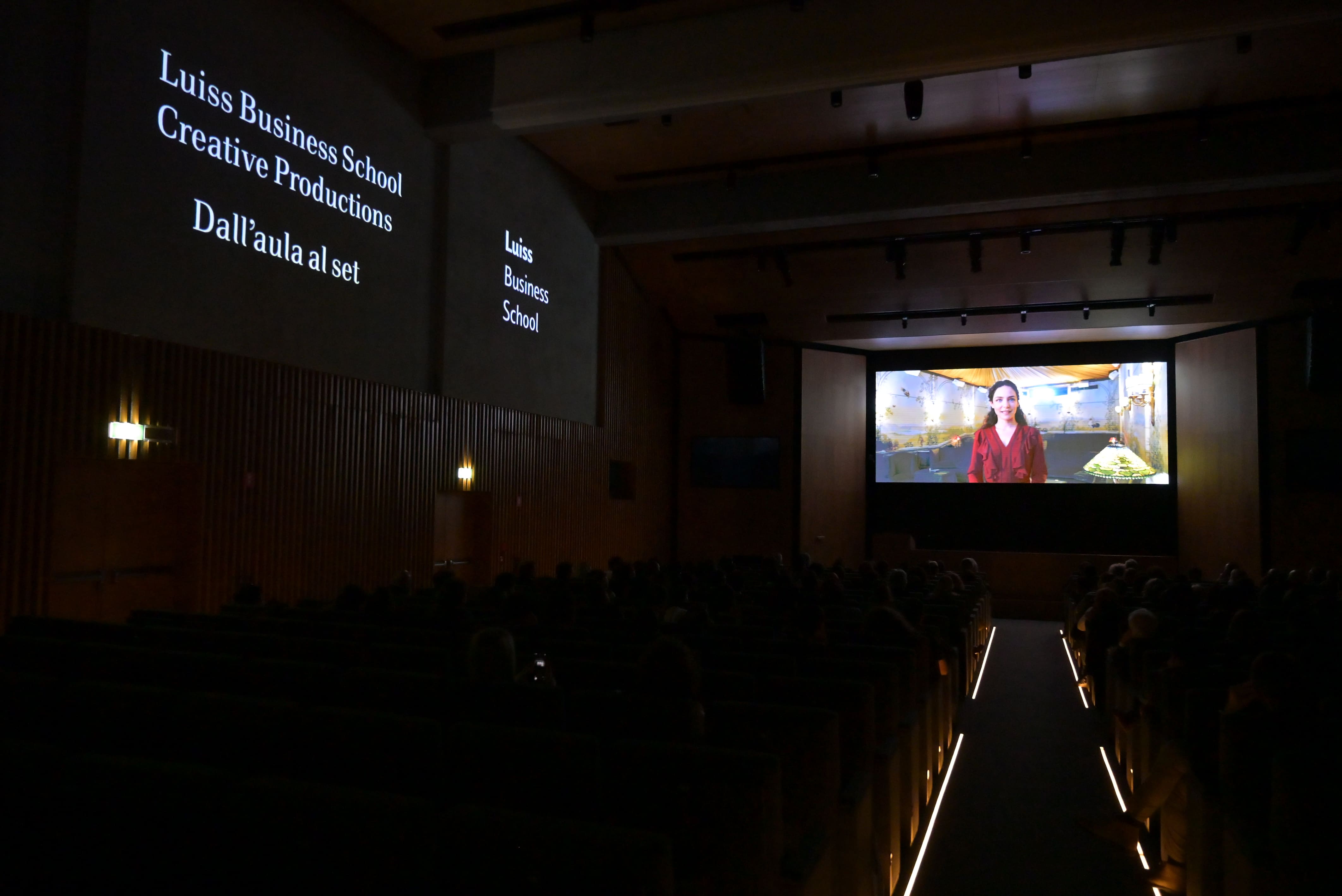
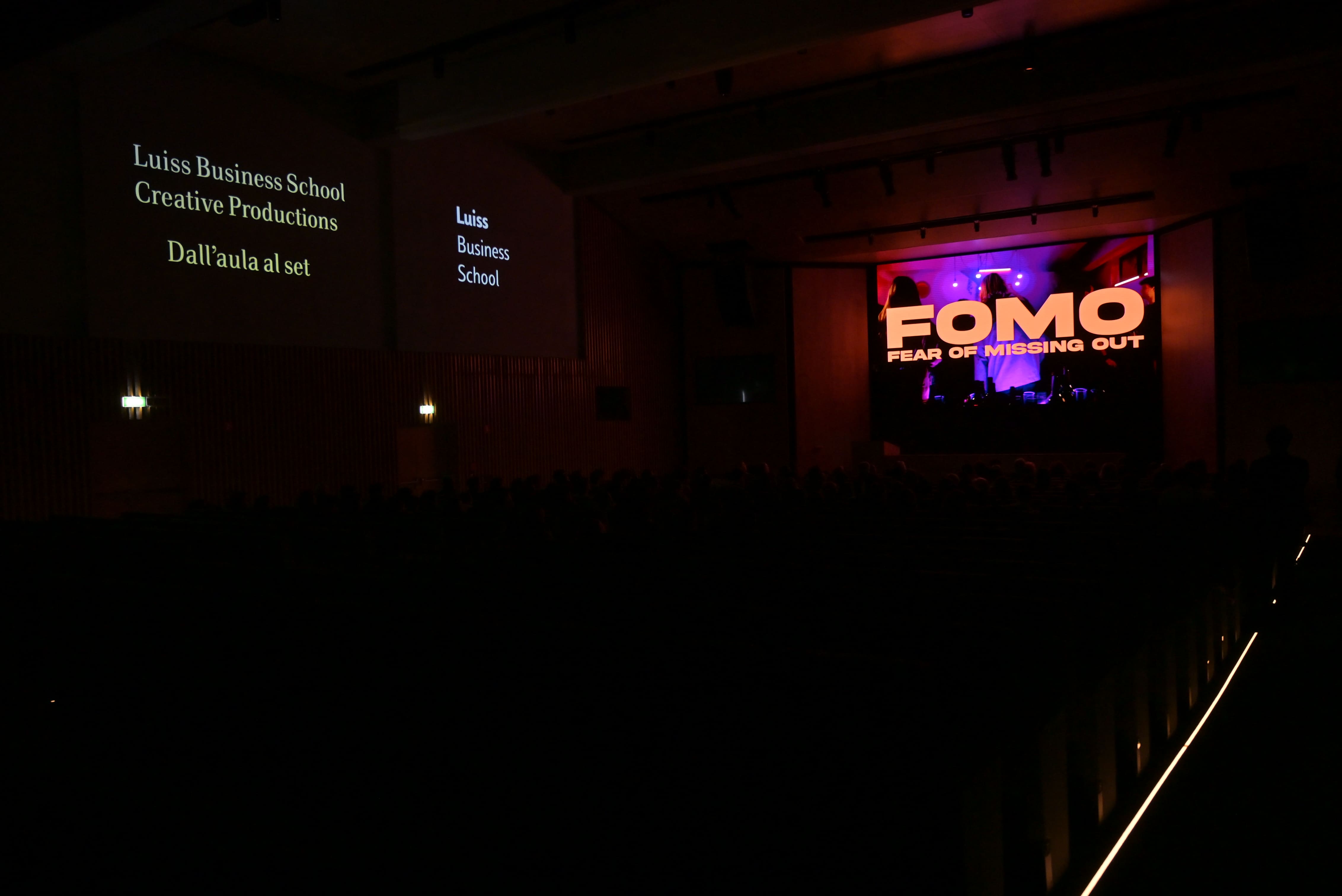
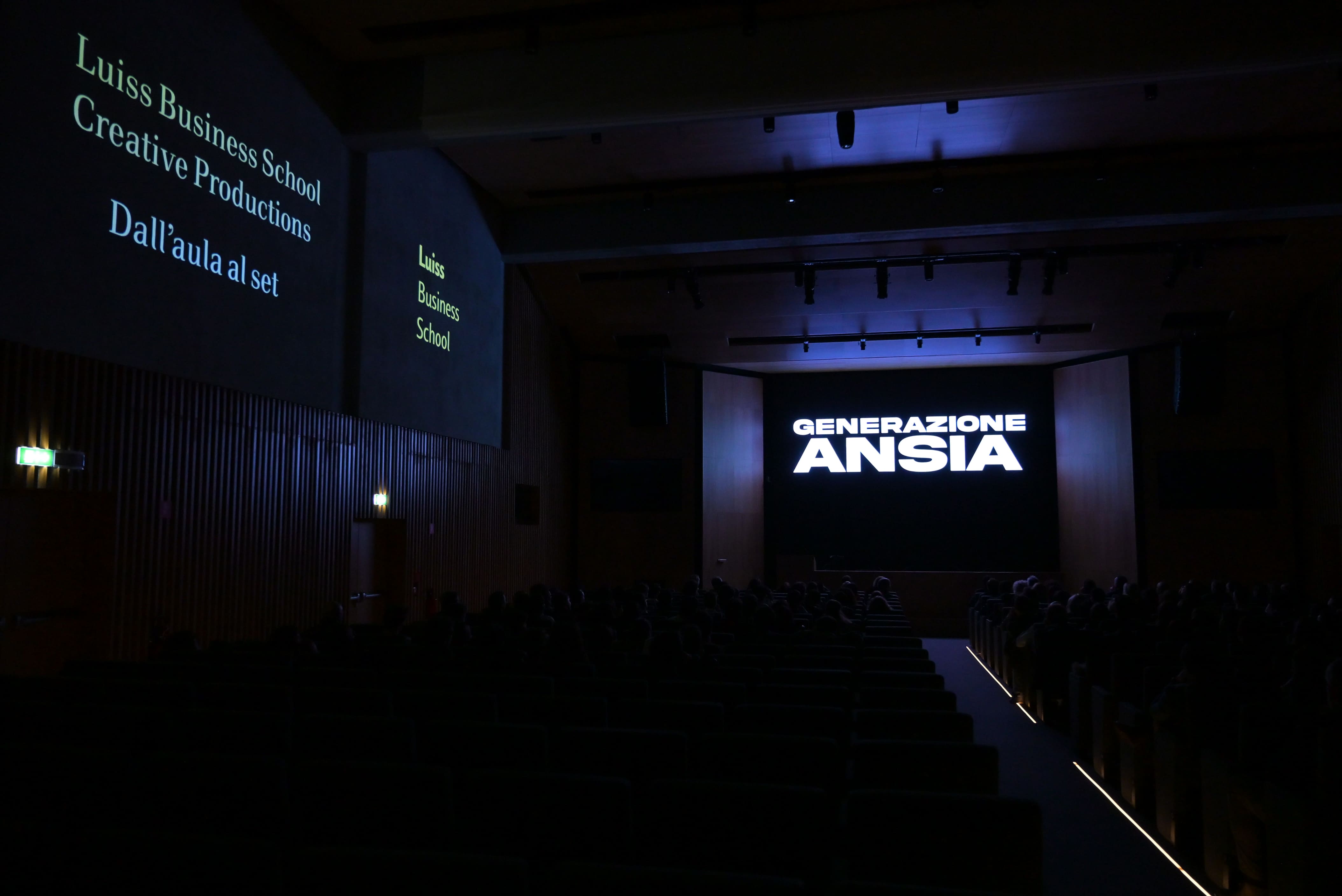
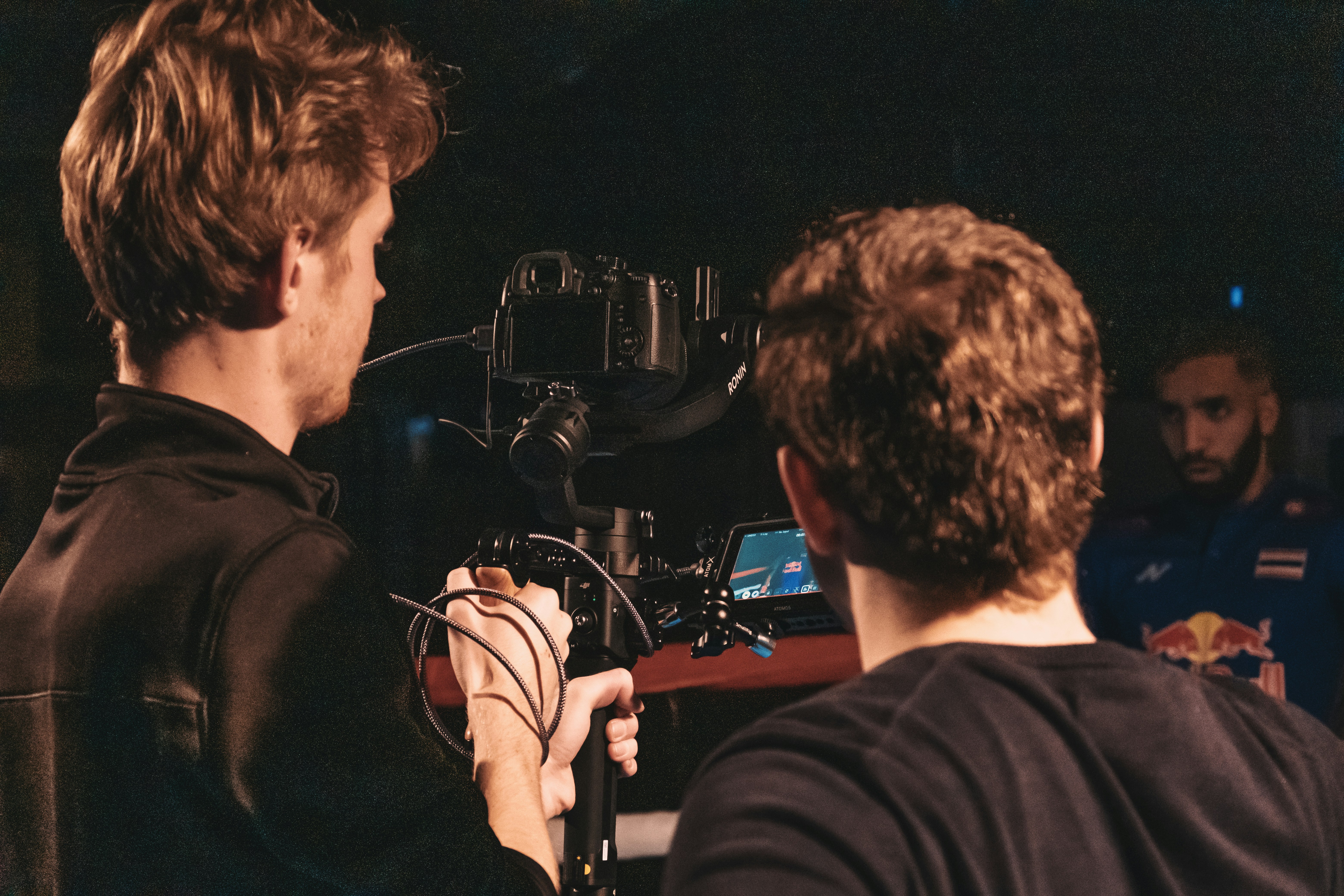
Al termine del Master, gli studenti presentano i propri concept per il pilot di una serie TV. Il progetto selezionato viene poi realizzato dagli allievi, in tutte le fasi editoriali, produttive e di post-produzione, con la supervisione di professionisti del settore e con il supporto
di una giuria di esperti che guida e valorizza lo sviluppo creativo.
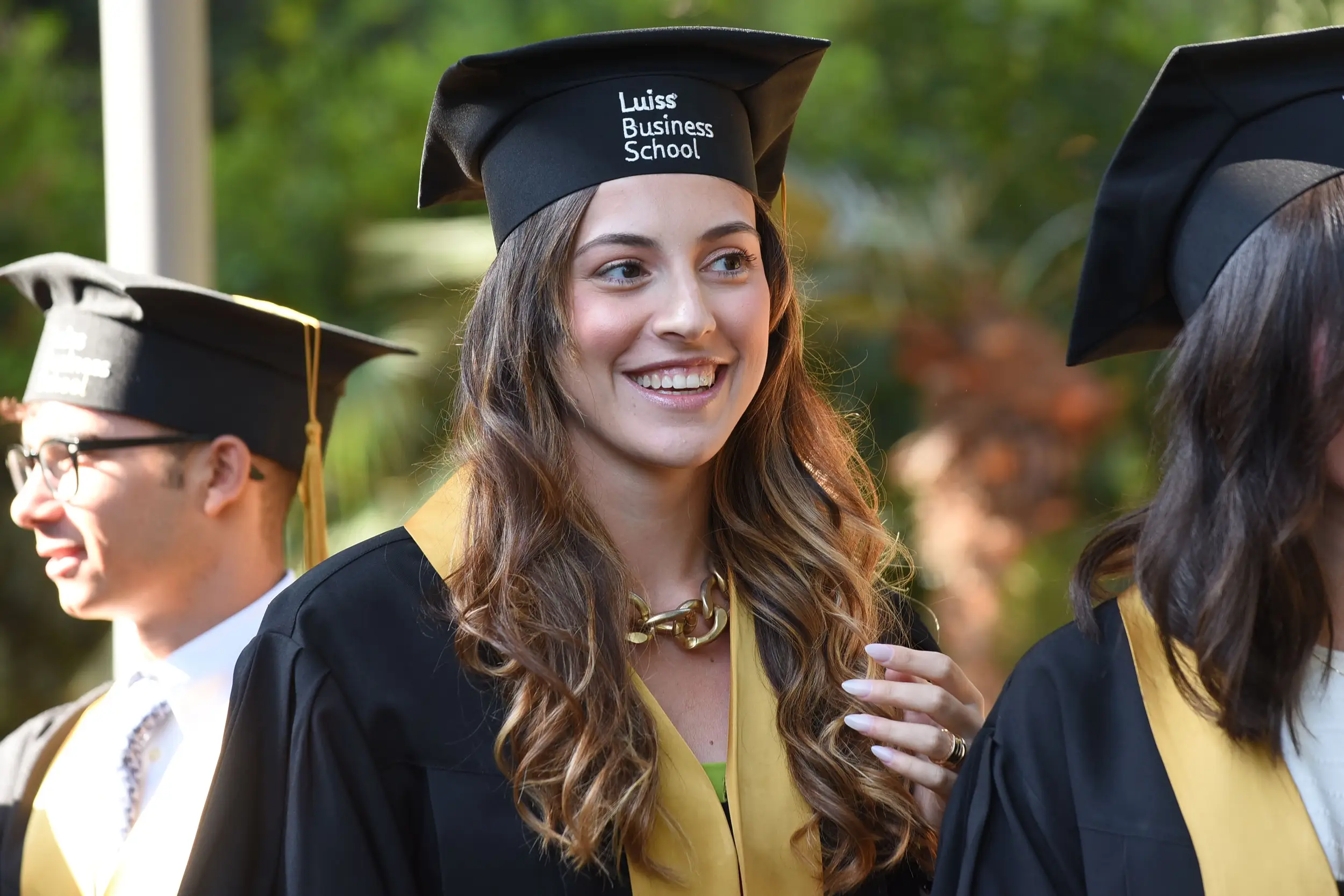
Con un placement rate del 100%, una faculty di caratura internazionale e la solidità di un network di partnership aziendali, la formazione full-time Luiss Business School ha l’obiettivo di trasmettere competenze avanzate e immediatamente applicabili, agevolando l’upskilling e accelerando la crescita professionale e personale di giovani professionisti e neolaureati.
Scrivici per prenotare una sessione di orientamento
e scopri il percorso più adatto alle tue ambizioni!
© Luiss Business School Spa “a socio unico” n. iscr. Registro Imprese Roma / p.iva /c.f. 16656061005, capitale sociale i.v. 30.000.000,00 euro.
Villa Blanc, Via Nomentana, 216 - 00162 Roma | Tel. +39 06 85 22 51 | Email: luissbs@luissbusinessschool.it | Informativa sul trattamento dei dati di navigazione | Cookie policy
In the early 2010s, the "Golden Age of TV" (think Breaking Bad , Mad Men ) set a bar for density. Today, shows are designed to be dissected on Reddit. You cannot passively watch Severance or Dark . You need a Wiki open. While this is intellectually rewarding, it is emotionally draining. Audiences are increasingly craving "low-stakes" content (e.g., The Great British Bake Off ) as a balm against the high-stakes thrillerification of everything.
Explores the battle for a child's attention against modern technology. BTS "Arirang" Tour
What is the for this article (e.g., marketers, students, general public)? What is your desired word count or length constraint? xxxvideoss.
Entertainment content does not just reflect society; it actively shapes it. Popular media serves as a powerful vehicle for cultural representation, political discourse, and social change.
One of the most significant developments in the entertainment industry has been the rise of streaming services. Platforms like Netflix, Hulu, and Amazon Prime have revolutionized the way we consume television and film. With the ability to stream content on-demand, viewers are no longer tied to traditional broadcast schedules or forced to purchase physical copies of movies and TV shows. In the early 2010s, the "Golden Age of
—has become mainstream worldwide. Audiences are hungrier than ever for diverse voices and stories that offer a window into different cultures. The Bottom Line
Popular media has created a globalized culture where a meme generated in Tokyo can instantly influence fashion trends in New York. However, this global reach can sometimes overshadow local cultural traditions. Striking a balance between consuming globalized entertainment and preserving localized storytelling remains one of the primary cultural challenges of the digital age. 5. Future Horizons: What Lies Ahead? You need a Wiki open
Platforms like Netflix, Disney+, Prime Video, and regional streaming services have normalized the "binge-watching" phenomenon. By decoupling content from traditional cable schedules, these platforms allow audiences to consume entire seasons of premium television in a single sitting. This shift has forced writers and producers to adapt, pacing narratives more like long-form movies than episodic television. 2. User-Generated Content (UGC) and Short-Form Video
For most of the 20th century, entertainment content followed a top-down model. A handful of major Hollywood studios, television networks, and print publishers acted as cultural gatekeepers. Content was created for the masses, meaning television shows, films, and music had to appeal to broad demographics to succeed. This created a shared cultural lexicon; millions of people watched the same broadcast at the same time, establishing a unified pop-culture conversation.
However, this fragmentation comes with a cost. While niche content allows for deeper representation (e.g., queer wrestling leagues, historical cooking shows, ASMR roleplay), it has arguably eroded the shared social fabric. We have moved from a shared culture to a series of parallel cultural universes. The challenge for creators of entertainment content in 2025 is no longer just quality; it is discoverability and the ability to jump the algorithmic fence to reach the mainstream.